

Try it today: ask an AI assistant for the best provider of your service in Austin or in Tampa. The answer comes back assembled, with two or three names, and nobody had to open a website. For twenty years the goal was to rank; now the question is how to be the source the machine cites.
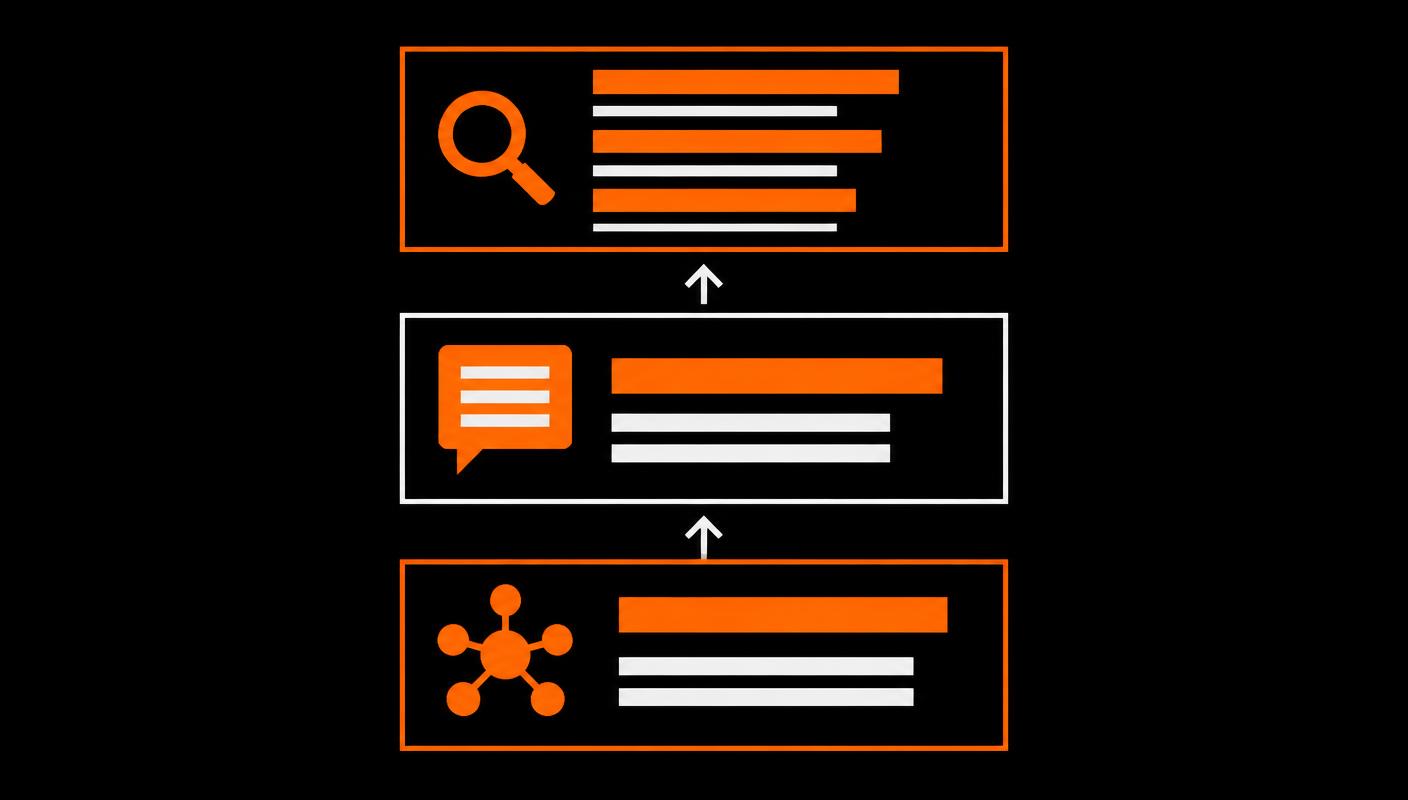
Three acronyms organize this new playing field: SEO (classic search), AEO (answer engine optimization), and GEO (generative engine optimization). They are not competitors. They are stacked layers of the same strategy.
The Three Layers, Without Jargon
SEO makes the page exist and be crawlable. AEO makes a snippet of it become the direct answer — featured snippet, "people also ask," voice assistant. GEO makes your brand be cited when an AI model drafts the answer from scratch.
Rule number one
An AI model doesn't cite what it doesn't understand. If your content doesn't answer a specific question in two sentences or less, it cannot be extracted.
What Changes Practically on Your Page
- Question in the title, answer in the first paragraph. Objective, with numbers and context. The rest of the text supports, not rambles.
- Semantic blocks. H2s for real questions, short lists, comparative tables. Extractable formats beat beautiful long-form text.
- Verifiable data. Source, date, and number. Unproven claims are discarded by models that check for consistency.
- Structured markup. Article, FAQPage, Organization, Product. This is what translates the page for the machine.
- Consistent entity. Same name, same description, same address everywhere the brand appears.
GEO: The Part Almost No One Executes
Being cited by a model depends less on keywords and more on distributed presence. Models learn from what circulates: portals, directories, industry publications, repositories, forums, and reference pages. If your brand only exists on its own website, it's invisible for training and real-time search.
| Layer | Objective | Main Signal | Typical Timeline |
|---|---|---|---|
| SEO | Be found | Technical + content + links | 3 to 6 months |
| AEO | Be the direct answer | Extractable format + schema | 4 to 10 weeks |
| GEO | Be the cited source | Distributed mentions + consistency | 2 to 6 months |
Weight of Each Front in the Result
90-Day Plan That Works
- Days 1–15: technical audit, indexing correction, speed, and URL structure.
- Days 16–45: rewriting the ten most promising pieces of content in a question-answer format, with schema applied.
- Days 46–75: authority distribution — mentions, publications, and contextual links from real sources.
- Days 76–90: measuring citations in AI assistants and adjusting what wasn't extracted.
Expensive mistake
Producing fifty generic texts per month. Ten correct, structured pages supported by external authority yield more than a year of empty volume.
SEO, AEO and GEO in the US: where presence is built
In the US, the distributed presence this article describes has specific addresses: your Google Business Profile, the major review and directory sites for your industry, your local chamber of commerce, and trade publications. Name, address and phone number have to match across all of them. If the legal name appears in one place and a trade name with a different number in another, a model has no way to know they are the same business.
For the answer format, write the questions the way customers ask them here: "how much does it cost," "near me," "open now," plus the city or neighborhood. Answer each one in two sentences at the top of the page, with the detail underneath. If you serve Spanish-speaking customers, publish those answers in Spanish too, on their own pages.
How to Measure Without Deceiving Yourself
Average position no longer tells the whole story. Monitor impressions without clicks, appearances in answer boxes, brand mentions in AI responses (test manually, weekly, with the ten important questions), and revenue attributed to organic. If citations grow but revenue doesn't, the problem is offer, not search.
Quick test: open three AI assistants and ask "what's the best [your service] company in [your city]". If your brand doesn't appear in any, you have a GEO problem, not an SEO problem.
Next step
Structure all three layers with someone who does this every day
Auditing, answer-oriented rewriting, schema, and authority distribution — with a closed scope and defined timeline.
See SEO, AEO, and GEO servicesIf the gap is external authority, start with the backlink packages. If you want to accelerate internal production, the materials and playbooks provide ready-made templates. And to design the entire strategy, talk to PRESS.


