

In the US, buyers expect a fast answer, and a lead that fills out a form at 8 p.m. often hears back the next business day, by which time they may have contacted someone else. Automation that works isn't "AI doing everything": it's well-defined agents taking over repetitive tasks with clear criteria, while a person decides where judgment matters.
The right question isn't "what can AI do?". It's "what task does my team put off every week that costs money?".
The five agents that truly pay off
- Lead qualification. Reads the form, classifies by potential, enriches with public data, and notifies the right salesperson in minutes — not the next day.
- First response. Answers initial questions with real information from your catalog and schedules the conversation. Never invents prices.
- Draft production. Generates the first version of content, ad, or proposal from an approved template. The human edits, doesn't write from scratch.
- Recurring report. Gathers the numbers, writes the summary, and highlights what fell outside the expected range. Weekly, without anyone needing to remember.
- Post-delivery follow-up. Reaches out to the client after delivery, collects feedback, and suggests the next commercial step.
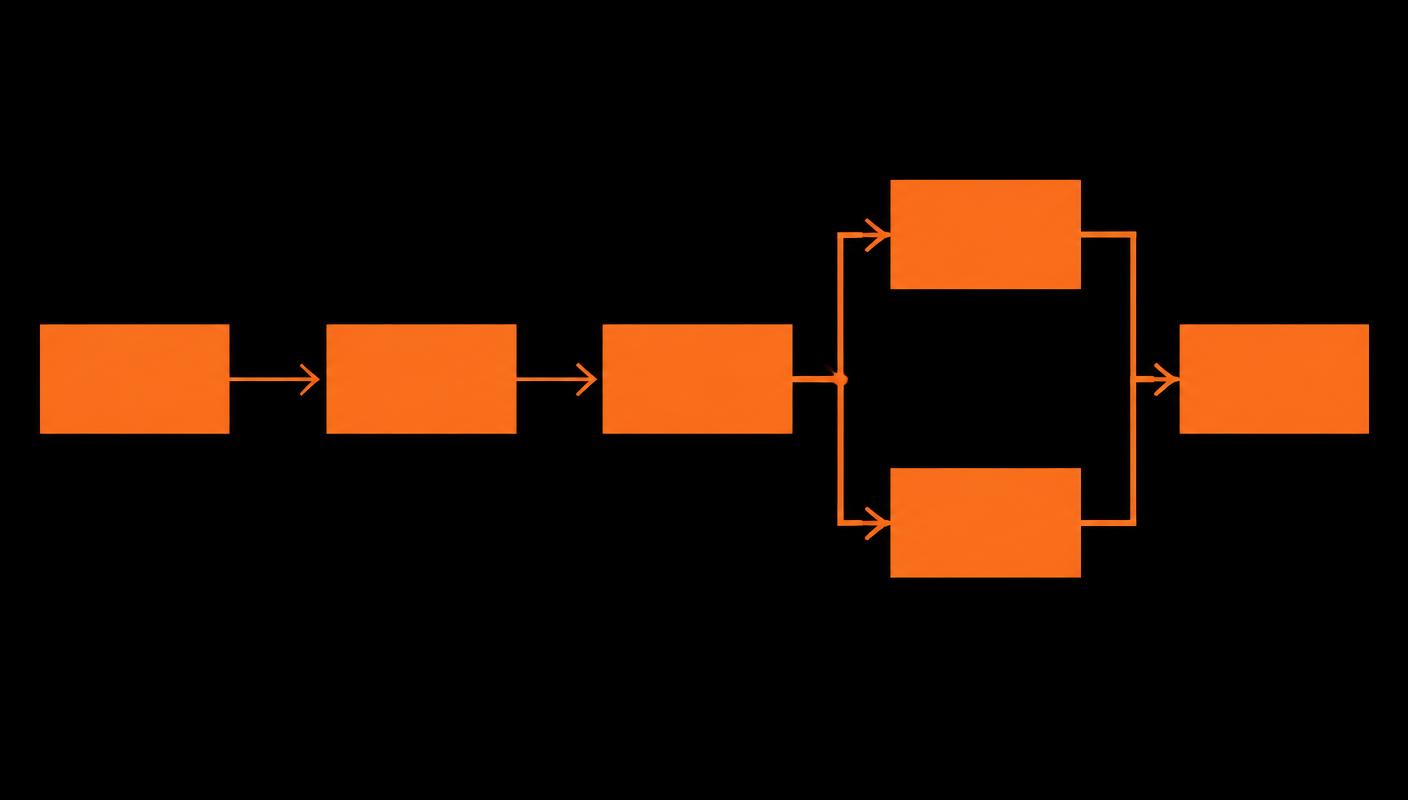
Rule number one
Every agent needs a single source of truth. Without its own database — catalog, prices, policies — it will fill the gap with convincing fabrications.
Where to place the human
Two situations require approval: when the text speaks on behalf of the brand externally and when money is involved. Otherwise, review becomes a bottleneck. The healthy design is: agent executes, human approves with one click, system records.
| Task | Who executes | Review | Typical gain |
|---|---|---|---|
| Lead qualification | Agent | Weekly sampling | Response in minutes |
| Content draft | Agent | Always | 60% less time |
| Report | Agent | Quick read | 4h per week |
| Sales proposal | Agent + human | Always | Same-day delivery |
Where automation delivers the most
How to measure without self-deception
Three numbers are enough: hours saved, time to first lead response, and approval rate without rewriting. If the team rewrites everything the agent produces, you haven't automated anything — you've just shifted the work.
Expensive mistake
Automating a broken process. A fast agent executing a bad workflow only accelerates losses. Write down the process in text before handing it over to the machine.
AI automation in the US: where to start
The task most teams put off is the first response outside business hours. An agent that answers with real catalog information and books the call covers that gap, as long as it has a source of truth: current pricing, service areas, availability. If you serve customers across time zones, write down which hours a human covers and which the agent covers, so nobody is promised a callback that won't happen.
Two cautions specific to this market. Automated texts and calls are regulated: get consent before an agent messages a lead by SMS, and keep a record of it. And privacy rules vary by state, with California's CCPA the best known, so your privacy policy should describe what the agent collects. Keep human approval on anything that quotes a price or confirms a contract.
Start small, in fifteen days
- Days 1–3: choose a repetitive, documented task with verifiable results.
- Days 4–8: set up the source of truth — catalog, prices, official answers.
- Days 9–12: run the agent in parallel with a human and compare outputs.
- Days 13–15: truly activate, with one-click approval and full logging.
Next step
Put an agent to work on the task that causes the most delays
Qualification, customer service, content, and reporting agents — configured with your data and with human approval at the right point.
See AI automation servicesFor ready-made prompts and workflows, see the prompt library and our materials and playbooks. If your brand authority also needs to grow, start with our backlink packages. And to design the entire operation, speak with PRESS.


